Solo Skydiving Travel Insurance
Specialist cover for high-risk sports and adventure travel.
Get a quote24/7 Emergency medical assistance
Cover for specialist sports equipment
Up to £2500 for lost or stolen luggage
1 million+ Travellers protected
28 years Industry experience
Why choose Solo Skydiving Travel Insurance?
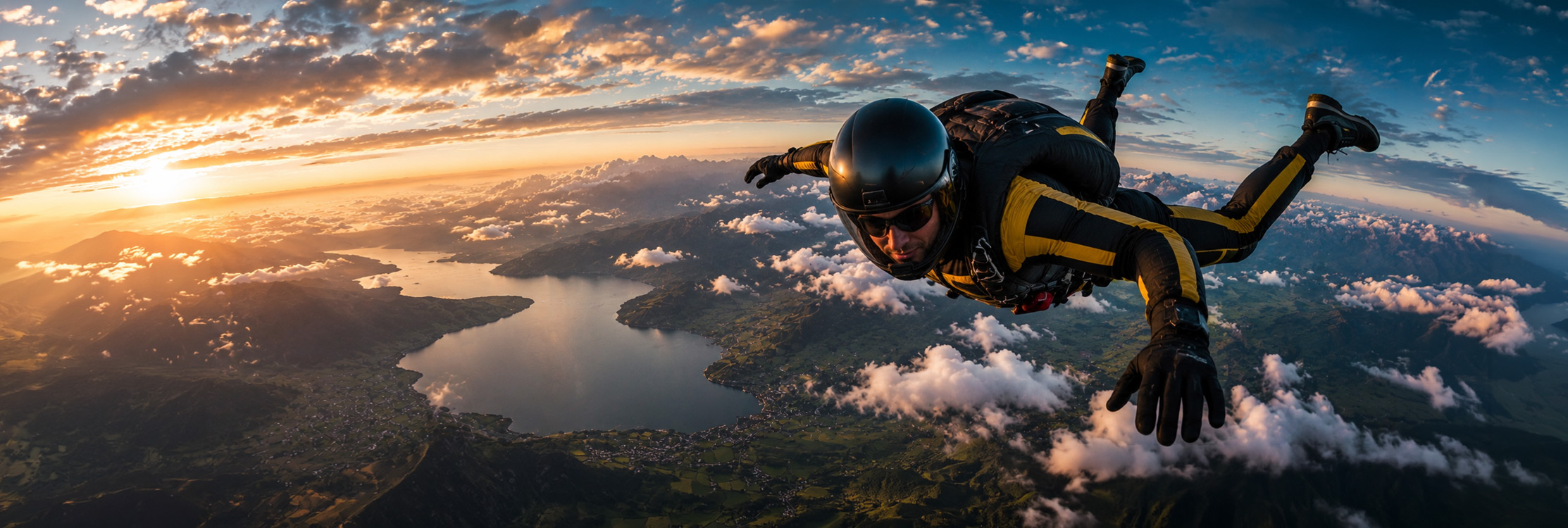
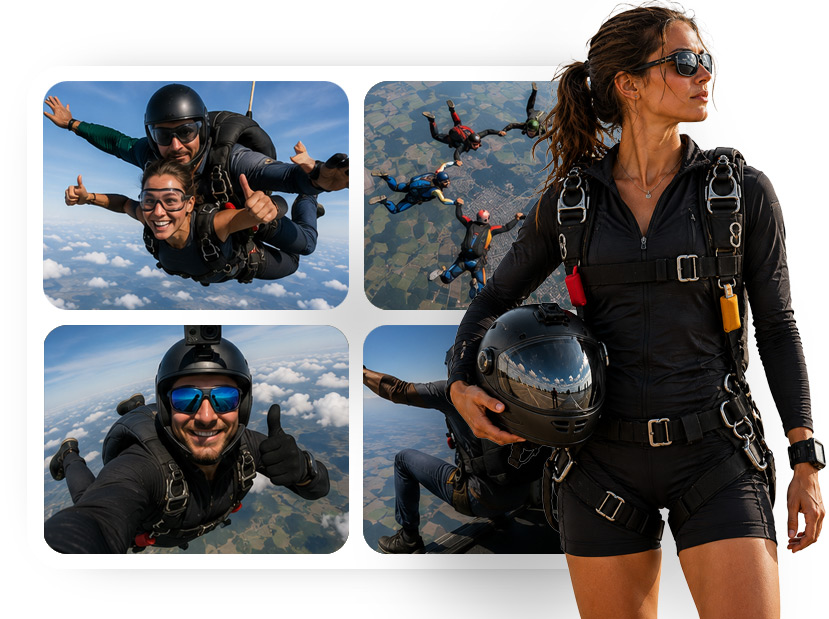
Skydiving involves jumping from an aircraft, free-falling at speed and deploying a parachute before landing. Solo skydiving is carried out independently rather than as a tandem jump, with participants responsible for their own body position, canopy control and landing under instructor supervision.
ActivitySure can cover solo skydiving on an amateur, non-professional basis when you are taking part abroad, with a maximum of one jump per trip, provided the activity meets the policy conditions. Because solo skydiving involves greater personal responsibility and takes place at altitude, it is important to ensure your travel insurance is suitable before you jump.
Choose the protection that fits your adventure
Excess £100
-
£1,000
-
£5,000,000
-
£750
-
£250
-
£200
-
£300
-
£20 per 12hrs, max. £100
-
£5,000
-
£2,000,000
-
£250
-
£750
-
£60,000

Excess £75
-
£3,000
-
£10,000,000
-
£1,500
-
£250
-
£200
-
£500
-
£20 per 12hrs, max. £200
-
£7,500
-
£2,000,000
-
£250
-
£750
-
£60,000

Excess £0
-
£5,000
-
£10,000,000
-
£2,500
-
£250
-
£400
-
£1000
-
£20 per 12hrs, max. £400
-
£15,000
-
£2,000,000
-
£250
-
£750
-
£100,000
* Protection levels are based on overall cover limits, benefits and excess across each plan.
Choose the cover that fits your adventure
Single trip Solo Skydiving Travel Insurance
Perfect for one-off adventures, holidays and activity breaks abroad.
Learn more
Annual multi-trip Solo Skydiving Travel Insurance
Travel more for less with year-round protection across multiple trips.
Learn more
Whether you’re planning a one-off escape, an activity-packed holiday or travelling regularly throughout the year, our protection levels are designed to give you confidence at every stage of your journey. From emergency medical cover and cancellation protection to support while you’re away, you can choose the level of cover that best fits the way you travel and the adventures you take on.
Destination Insight
Where is popular to go for skydiving?
Solo skydiving is popular in New Zealand, where established drop zones combine strict safety standards with dramatic landscapes, including coastlines, mountains and lakes. Many centres are well known for experienced instructors and favourable weather conditions. Dubai is another major destination, offering highly regulated operations and iconic views over desert and city skylines. In Hawaii, skydivers are drawn to reliable flying conditions and coastal drop zones, with professional operators overseeing all aspects of the jump.
Solo skydiving at these locations is typically run through licensed centres with structured briefings and clear operating procedures.
Here's why skydiving travel insurance matters:
Skydiving carries inherent risks due to altitude, speed and reliance on parachute systems. A hard landing, mid-air issue or equipment malfunction can result in serious injury requiring medical treatment, evacuation or repatriation. Having appropriate travel insurance in place helps protect you financially if something goes wrong during your jump abroad.

Helpful travel tips
- Follow all instructions and signals given by instructors and ground crew at all times.
- Wear appropriate safety equipment as required by the operator, including helmet and harness systems.
- Carry out thorough pre-jump checks, ensuring straps, fastenings and deployment systems are secure
- Maintain a stable, controlled body position during freefall and canopy descent.
- Only jump in approved conditions and never exceed the experience or limits set by the operator.
Frequently asked questions
Yes, you do. Skydiving is considered a high-risk activity, and your travel insurance should reflect that you’re taking part. During the quote process, you should select either solo or tandem skydiving, depending on your jump.
For cover, you must always jump with a licensed and regulated instructor, follow all safety instructions, and use/wear all the appropriate and approved equipment.
Solo skydiving can be covered, but it will need to be declared. It typically requires a high Activity Pack due to the level of risk and experience involved, and it’s important to ensure your policy reflects the type of jump you’ll be doing.
Yes, tandem skydiving can be covered if you select it while obtaining a quote. It’s the most common type of skydiving, and involves jumping with a qualified instructor. It is considered a lower risk than solo skydiving.
Yes. If you are doing a solo skydive you can only jump once, however if you’re taking part in a tandem skydive, you can jump twice.
Yes, as long as skydiving is added to your policy before you take part. If you decide to book while you’re away, you may need to update your policy for the right cover.
Yes, provided the right activity is declared on your policy. You’re then covered for emergency medical treatment, hospital stays, and repatriation if necessary.